
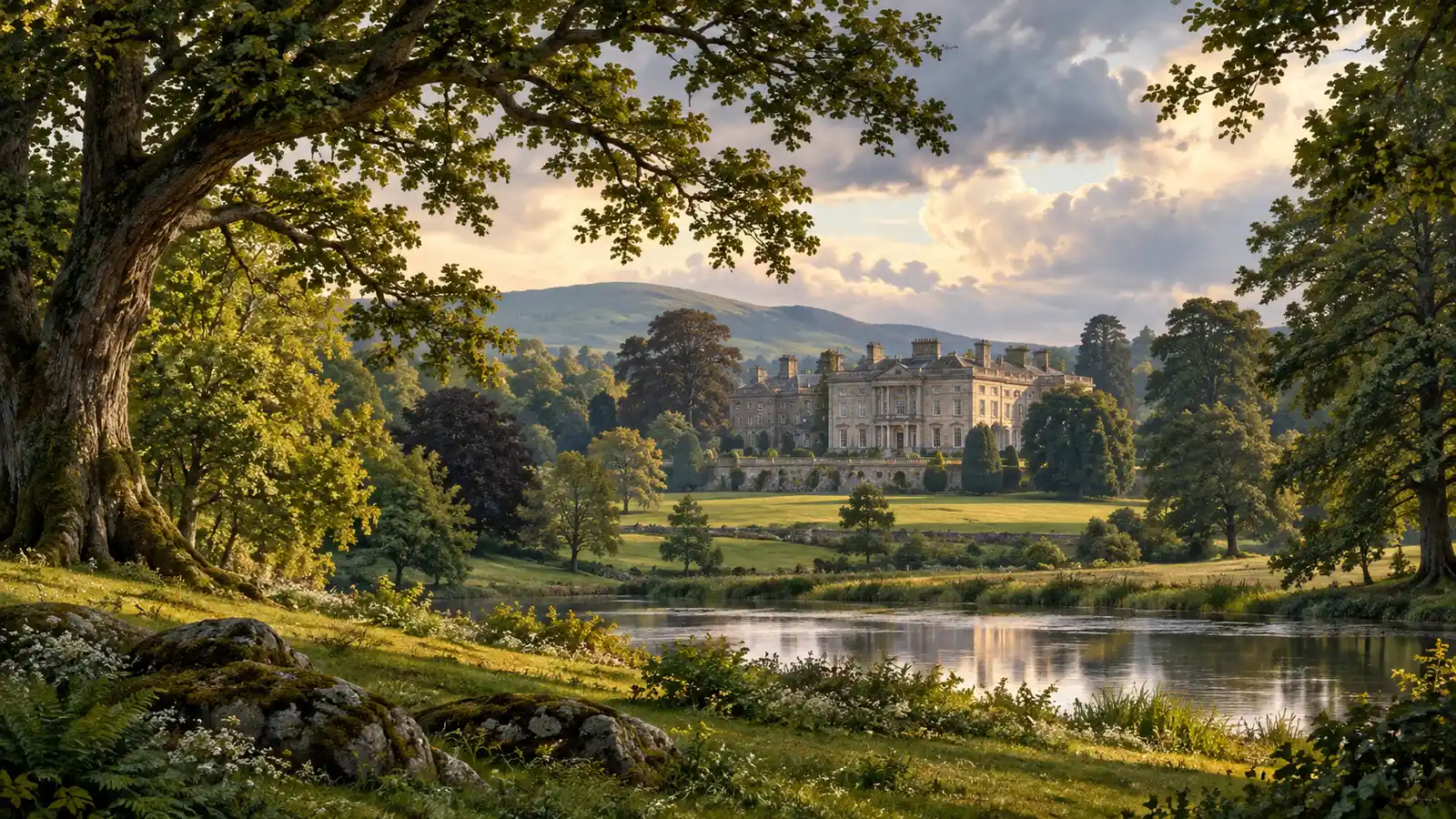
What was filmed here
Ireland supplies much of the landscape that Magpie Murders presents as England. Dublin and nearby properties were used alongside the real Suffolk village of Kersey. The most useful named connections are Glenmaroon House, which plays Abbey Grange and Pye Hall, and DCU’s All Hallows and St Patrick’s campuses. This regional guide brings the Irish material together, including the former County Meath lead, without sending visitors to an unidentified country house. Start with the two named locations, then build the rest of your trip around places with real public access. Glenmaroon is private; the campuses are working university sites. A good itinerary therefore combines screen context with public Dublin attractions, rather than promising a continuous trail of interiors.
About the place
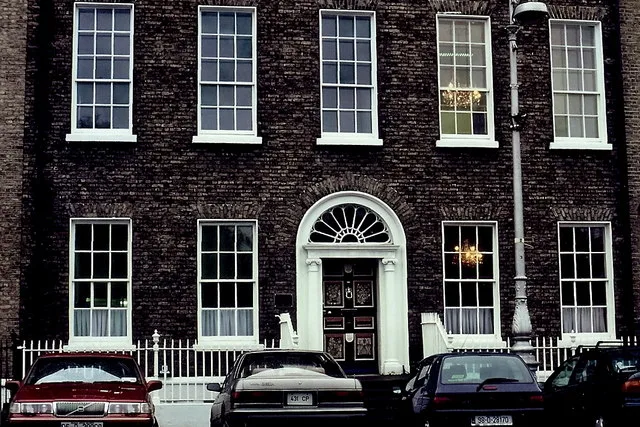
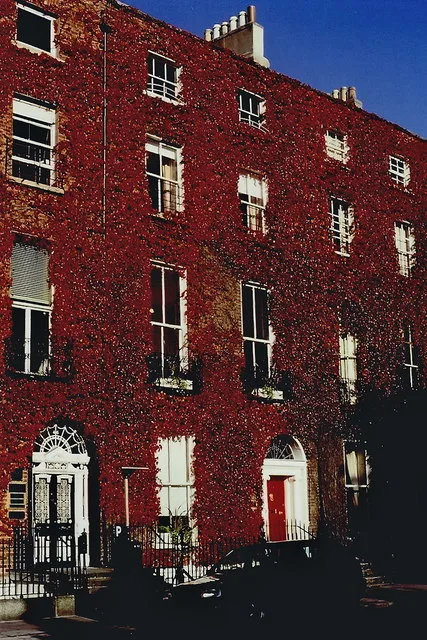
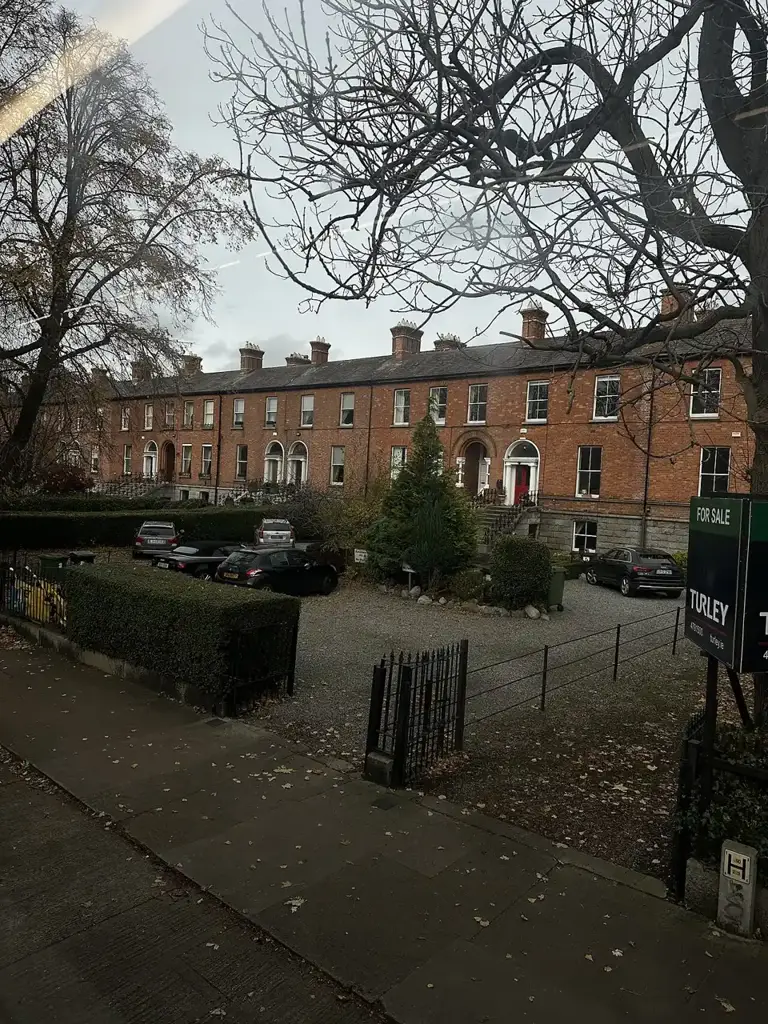
Dublin offers a wide range of architectural textures within a relatively compact metropolitan area. Older houses, institutional buildings and city streets can be dressed for different decades, while the surrounding region adds estates and countryside. That flexibility matters to a story moving between Susan Ryeland’s present and Atticus Pünd’s fictional 1950s world. The city’s own history remains visible beneath any screen transformation: Georgian streets, later civic and educational buildings, and the expansive planned landscape of Phoenix Park all have identities independent of the programme. A visitor should enjoy those differences rather than trying to force every attractive façade into a television role. The production’s Irish base also explains why a short fictional journey can join places that are not adjacent in real life. Editing creates Susan’s England; your actual route needs Dublin’s transport map. Keep one geographical area for each half-day and the trip becomes much more enjoyable.
Getting there
Dublin Airport is the main air gateway, with bus and taxi connections into the city. For rail travel within Ireland, Connolly and Heuston serve different routes; choose your accommodation and arrival transfer accordingly. TFI’s journey planner combines the city’s bus, rail and tram options. Drumcondra station is useful for the DCU area, while a Phoenix Park visit needs a separately chosen public entrance. Driving from outside Dublin is possible using the motorway network, but a parked car is rarely an advantage on a central sightseeing day. Use a booked or clearly signed public car park and check the permitted hours. Do not count on parking at a university or a private filming house. Allow extra time when moving across the city, especially around commuter traffic.
A short self-guided walk
Plan this as two short outings, each around 60–90 minutes before meals or museum visits, with a separate transfer between them. It is not a single continuous walking circuit.
- Begin at Drumcondra station for the clearest public starting point near the DCU locations. Save a map of both named campuses before walking.
- Follow the public streets to the St Patrick’s campus approach, observing the access signs on the day. The production credit does not open teaching spaces to sightseers.
- Continue by public roads towards All Hallows on Grace Park Road. Take a short architectural look from permitted space and keep campus entrances clear.
- Return to Drumcondra Road for a meal or coffee. This gives the first half-day a natural finish close to transport.
- On a separate half-day, travel to a public Phoenix Park destination such as Farmleigh or the visitor centre. Use the Glenmaroon guide for the house’s screen story, not as permission to enter its grounds.
A useful two-day plan is to give north Dublin a morning, the city centre an afternoon, and Phoenix Park a second morning. That leaves room for a booked museum, a proper meal and a weather change without rushing between locations. Save episode pages for the evening if you want to compare the screen with the places you have seen. You do not need a perfect match for every shot to understand how Dublin’s architecture supports the series’ two worlds.
Eat and drink nearby
These businesses have current menus, booking pages or visitor listings. Check the venue pages before visiting. Seasonal opening and private events can change your plans.
- Fagan’s — a Drumcondra pub on the main road, useful for a pause after the campus-area walk.
- Shouk — a Middle Eastern restaurant on Lower Drumcondra Road with menus and table booking online.
- Independent Pizza Company — an established Drumcondra pizzeria for an informal meal near the rail station.
Where to stay
- Drumcondra — best for keeping the DCU walk close to your accommodation and using local cafés.
- Dublin city centre — the widest choice of hotels and evening activities, with bus or rail onward travel.
- Glasnevin — a north-city base convenient for the Botanic Gardens and the wider university area.
- Smithfield — a useful alternative for a city break combining museums, the Luas and trips towards Phoenix Park.
Find accommodation
Search Booking.com ↗Places to stay near the Phoenix Park
A few well-placed options, checked 19 October 2026. Prices and availability change, so check before you book.
Castleknock Hotel
Castleknock, Dublin 15
Four-star hotel with a spa on Porterstown Road, beside the Phoenix Park.
Ashling Hotel
Parkgate Street, Dublin 8
Four-star hotel a three-minute walk from Heuston Station and five minutes from the Phoenix Park.
Travelodge Dublin Phoenix Park
Navan Road, Dublin 15
Budget hotel with 100 en-suite rooms and free parking, just off the M50.
Booking.com links are paid links: we may earn a small commission at no extra cost to you.
Nearby
The National Botanic Gardens and Glasnevin Cemetery pair naturally with Drumcondra; check their own visitor arrangements before adding a tour. On the western side, Farmleigh and the Phoenix Park Visitor Centre offer an accessible way to spend time near Glenmaroon’s broader setting. The city centre’s museums and literary attractions make an excellent rainy-day alternative. County Meath’s Boyne Valley is a separate regional excursion with major heritage sites, but no unnamed Magpie house is a destination in this guide. Kersey, the real Saxby-on-Avon, is in Suffolk and needs another leg of the journey, not a Dublin day-trip calculation.
Best time to visit and accessibility
Choose a city base that suits your transport rather than booking solely on the strength of a film-location pin. Dublin works throughout the year, but outdoor walks benefit from longer daylight and a flexible indoor backup. Historic streets can have narrow pavements, uneven surfaces and busy crossings; check step-free transport and the particular attraction’s facilities if needed. University and estate access may change for events. Leave space in the day for those changes instead of making a private house the only reason for travelling.
Visiting respectfully
Use public streets and authorised visitor entrances, and follow staff instructions at working sites. Never approach a private house because an online location list mentions it.
Frequently asked questions
Was Magpie Murders filmed in Ireland?
Yes. Much of the production took place in and around Dublin, alongside filming in Suffolk and London.
Which Irish locations can be named?
Glenmaroon House and DCU’s All Hallows and St Patrick’s campuses are specifically documented.
Can I visit the County Meath house?
No identified public house visit is offered here. Plan around the named Dublin locations and established visitor attractions.
Can I see every location in a day?
A day can cover two selected Dublin areas, but private access and cross-city travel make a complete interior tour unrealistic.
In pictures



Plan a day out
Begin on Dublin’s western side with Farmleigh’s public grounds and Phoenix Park. Glenmaroon supplies the Magpie connection in this area, but it is private: a day out should not include entering its grounds or approaching the house for an unofficial look. Farmleigh is a separate estate and is the place to put into your visitor plan. Read the Glenmaroon guide for the screen connection before you travel.
According to Heritage Ireland, Farmleigh House is closed for the rest of 2026. The grounds remain open daily from 10am to 6pm, with last entry at 5pm. Checked 19 October 2026. Walk a comfortable section, then continue into Phoenix Park or pause for refreshments. Select a definite public entrance and meeting point; the park’s size makes a vague pickup instruction unhelpful.
For Moonflower fans, Howth can be the second part of the day if transport and any castle booking fit. This is a cross-city journey, so use TFI’s journey planner rather than treating it as a nearby walk. Shape the afternoon around a confirmed Howth Castle visit, or enjoy the harbour alone if no suitable tour is available. Keep working quays and closed areas out of your route.
If that feels rushed, give Howth its own day. Compare Dublin places to stay near the connections you will use, and leave the evening free for a meal instead of another transfer. The Howth guide helps you choose the coastal part without confusing its Moonflower role with Magpie’s Dublin locations.
Take the book on your trip
Magpie Murders (2016)
Anthony Horowitz’s novel behind the first television mystery.
Waterstones · print Audible · audiobookPaid links may earn commission, at no extra cost.
More Magpie Murders filming locations
Watch before you go
Sources
- Royal Television Society — production discussion
- DCU — Film at DCU
- PBS — The Susan Ryeland Mysteries
- Transport for Ireland
- Visit Dublin
Visitor information last checked 12 October 2026.